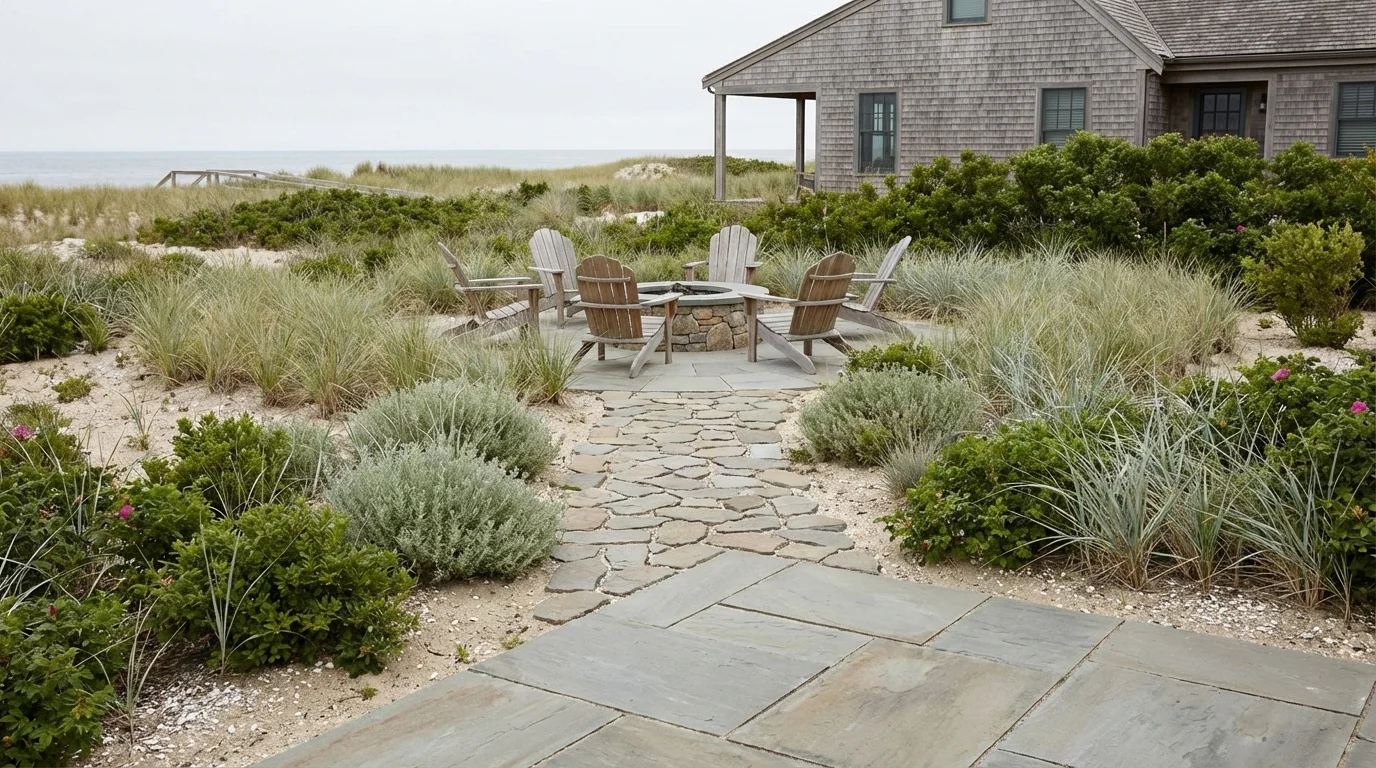
Low-Maintenance Hardscaping for Cape Cod
Low-Maintenance Hardscaping for Cape Cod: Build Beautiful Outdoor Spaces Without the Constant Upkeep
Tired of endless yard work? Create beautiful, effortless outdoor spaces built for coastal New England living.
If you're managing properties along the Massachusetts coast, you know the reality: Cape Cod's sandy soils, freeze-thaw cycles, and saltwater exposure create unique landscaping challenges that demand constant attention.[2] Between seasonal storms, erosion concerns, and the relentless maintenance cycle of traditional lawns and gardens, many property managers find themselves trapped in an exhausting cycle of upkeep that leaves little time to actually enjoy their outdoor spaces.
Here's the good news: hardscaping offers a practical solution that transforms your property into a low-maintenance oasis without sacrificing beauty or functionality. Unlike living landscape elements that require regular care and seasonal attention, hardscape features—the stone, brick, and concrete bones of your outdoor space—provide immediate impact and year-round durability with minimal upkeep.[2] When designed thoughtfully, these elements work with your coastal environment rather than against it, controlling erosion on sloping lots, managing stormwater during nor'easters, and extending your outdoor living season well into fall.[2]
The most successful Cape Cod properties strike a balance between hard and soft elements, combining durable bluestone patios, permeable pavers, and retaining walls with strategically placed native plant borders that thrive with less water and virtually no fertilizer once established.[1][2] This guide will show you exactly how to design and implement hardscaping solutions that reduce maintenance demands while boosting your property's curb appeal and market value.
Why Low-Maintenance Matters in Coastal Climates
For busy property managers overseeing coastal Massachusetts properties, maintenance demands can quickly spiral out of control. Cape Cod's unique environment—characterized by humid summers, salt spray, and sandy soils—creates specific challenges that make traditional landscaping solutions impractical. This is where low-maintenance hardscaping becomes not just a convenience, but a necessity for long-term property management success.
The coastal climate poses particular threats to conventional outdoor structures. Wooden decks, for example, are highly vulnerable to mold, rot, and insect damage in Cape Cod's humid conditions, requiring constant power washing, staining, and board replacement.[1] These maintenance cycles consume both time and budget—resources that property managers can ill afford to waste. In contrast, hardscaping solutions like patios built from natural stone, brick, or permeable pavers require only minimal upkeep: occasional sweeping, periodic power washing, and minor weed control.[1]
Beyond simple maintenance reduction, low-maintenance hardscaping directly impacts your bottom line. Properties featuring durable hardscaping elements increase home value while reducing the operational costs associated with seasonal repairs and replacements.[1] For property managers juggling multiple coastal properties, this efficiency multiplier is invaluable.
The environmental benefits further justify the investment. Permeable pavers allow rainwater to infiltrate naturally, reducing runoff and preventing soil erosion—critical concerns in Cape Cod's coastal environment.[1] This sustainable approach aligns with modern property standards while simultaneously reducing drainage-related maintenance issues.
Choosing the Right Materials for Coastal Durability
Stone patios blend seamlessly with Cape Cod's coastal charm while offering natural slip resistance and exceptional durability.[1] Brick patios provide classic New England character with warm aesthetics and minimal upkeep requirements.[1] Paver systems offer versatility and cost-effectiveness, with permeable options that enhance water management.[1] Each material choice eliminates the recurring maintenance burden of wooden structures while providing decades of reliable performance.
Integrating Native Plants with Hardscaping
Pair your hardscaping with native plant borders to complete a low-maintenance landscape. Native species like beach plum and bayberry require minimal irrigation and fertilizer once established, reducing both maintenance demands and operational costs.[6] This combination creates functional, beautiful outdoor spaces that practically manage themselves.
Best Native Plants and Permeable Materials for Low-Maintenance Cape Cod Hardscaping
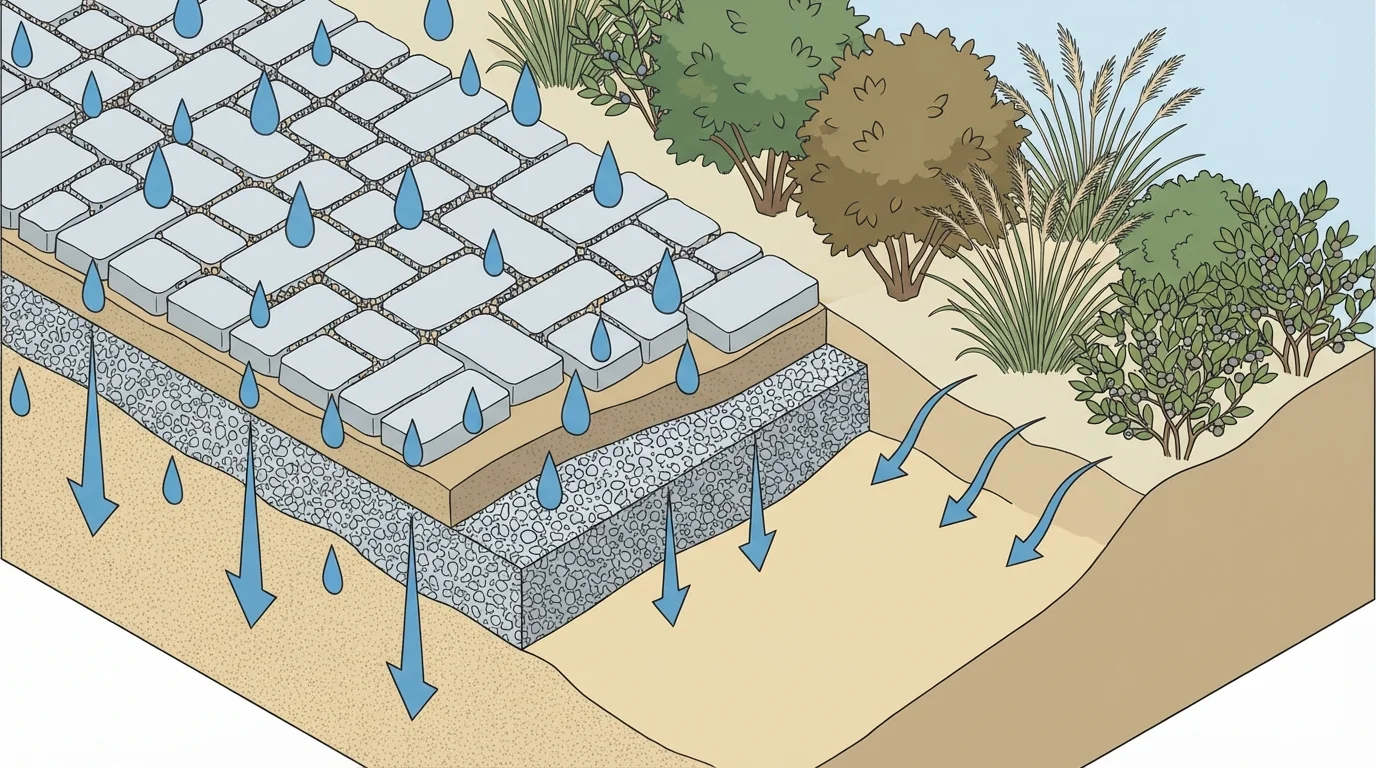
For busy property managers in coastal Massachusetts, integrating native plants with permeable materials creates durable, eco-friendly Cape Cod hardscaping that withstands salt spray, sandy soils, and harsh winds while minimizing upkeep. Native plants like beach plum (Prunus maritima) and bayberry (Morella pensylvanica) thrive in these conditions, requiring little watering or pruning once established, and pair seamlessly with permeable pavers for paver walkways and borders that reduce runoff and erosion[1][2][5]. These choices support low-maintenance landscaping by cutting irrigation needs by up to 50% and eliminating frequent fertilizer applications, ideal for high-traffic coastal properties[6].
A practical example is edging paver walkways with switchgrass (Panicum virgatum), an ornamental grass with deep roots that stabilizes sandy edges and adds year-round texture without annual replanting. Property managers at seaside rentals in Hyannis have reported zero weed issues after two seasons by mulching native plant borders with gravel-permeable pavers, which allow rainwater infiltration while preventing sediment buildup[1]. For coastal landscaping, opt for salt-tolerant seaside goldenrod (Solidago sempervirens) along pathways; its late-summer yellow blooms attract pollinators without deadheading, enhancing curb appeal effortlessly[1][3]. Combine these with permeable concrete pavers or resin-bound gravel, which handle freeze-thaw cycles common in Massachusetts winters and comply with local stormwater regs by promoting groundwater recharge[4].
Planting tips: Install in early fall for root establishment, amend soil lightly with compost, and apply 2-3 inches of mulch annually to suppress weeds—total time: under 4 hours per 500 sq ft bed[1]. Avoid overwatering; natives like purple coneflower (Echinacea purpurea) rely on rainfall post-Year 1[1]. This setup not only slashes maintenance costs but boosts property value through resilient, wildlife-friendly designs.
Native Plant Borders for Paver Walkways
Native plant borders frame paver walkways beautifully while controlling erosion in Cape Cod hardscaping. Use beach plum shrubs for low hedges—they produce edible fruit for birds, tolerate full sun and drought, and need only late-winter pruning[1][3]. Pair with little bluestem grass for texture; its fine blades sway in coastal breezes, requiring a single spring cutback[2]. In a Falmouth condo complex, managers replaced turf borders with these, reducing mowing by 80% and water use significantly[7]. Space plants 3-4 feet apart in permeable gravel trenches for drainage, ensuring borders stay tidy year-round with minimal intervention.
Permeable Materials for Coastal Durability
Permeable materials like porous pavers and decomposed granite excel in coastal landscaping by filtering stormwater and resisting salt damage. Install 4x8-inch permeable concrete pavers over a gravel base for paver walkways—they interlock without mortar, allowing easy weed pulls and joint sand refreshes biannually[4]. Real-world tip: In Provincetown dunes, properties using resin-bound permeable paths report no puddling after nor'easters, with natives like bayberry planted in adjacent strips for windbreaks[1][5]. These materials cut flooding risks and maintenance to inspections twice yearly, perfect for stretched property managers[6].
Hardscape Features that Reduce Lawn Areas
For busy property managers in coastal Massachusetts, Cape Cod hardscaping offers smart solutions to shrink expansive lawn areas, slashing mowing time, water use, and upkeep costs while boosting property appeal. Features like paver walkways, retaining walls, and native plant borders replace high-maintenance grass with durable, low-effort elements perfectly suited to Cape Cod’s sandy soils and stormy coastal conditions[1]. Imagine a Falmouth rental property where a former lawn-choked yard now features a bluestone patio and terraced fieldstone walls, creating usable outdoor space that tenants love and managers rarely touch—saving hours weekly on lawn care[1].
Paver walkways are a top choice for low-maintenance landscaping, guiding foot traffic efficiently and eliminating muddy paths that erode sandy soils during rains. Installed to Interlocking Concrete Pavement Institute (ICPI) standards with compacted gravel bases and edge restraints, these permeable pavers handle freeze-thaw cycles without shifting, as one Barnstable client noted: “Our patio didn’t budge an inch last winter”[1]. Pair them with native plant borders like beach grasses or creeping phlox along edges for a coastal landscaping vibe that requires minimal trimming and thrives in salty winds[2]. A practical tip: Curve the walkway gently from driveway to entry, edged with low-growing native shrubs such as dwarf beach rose (Rosa rugosa), reducing lawn by 30-50% while enhancing curb appeal for quick tenant turnover[1][2].
Retaining walls transform sloped, erodible yards into terraced zones, replacing unusable grass with flat, plantable beds. Natural fieldstone walls or tiered bluestone systems stabilize soil against storm surges, with built-in drainage pipes preventing water buildup—a must for Orleans waterfront properties where “sloping backyards used to turn into muddy messes”[1]. For managers, this means no more erosion repairs or reseeding; instead, fill terraces with drought-tolerant natives like Joe Pye weed for color without irrigation[2]. Real example: A Dennis hillside became low-maintenance garden beds post-installation, solving drainage woes and looking timeless[1].
Practical Installation Tips for Managers
Start with a site assessment for soil and drainage—excavate 6-12 inches for a compacted sub-base of processed gravel to ensure longevity[1]. Opt for permeable options to recharge Cape Cod aquifers and cut flooding risks[1]. Budget $15-25 per sq ft for paver walkways; expect ROI via reduced maintenance in 2-3 years. Schedule in fall to beat winter heaves, and choose local suppliers for weather-tested granite or fieldstone that blends with shaker-style homes[1][4].
Benefits for Coastal Properties
These features minimize lawn areas by 40-60%, freeing managers from weekly mowing amid summer droughts[3]. They add permanence, like a Yarmouth bluestone patio turned “outdoor living room,” while native plant borders attract pollinators without pesticides—ideal for eco-conscious rentals[1][2].
Installation Guide and Cost Breakdowns for Low-Maintenance Cape Cod Hardscaping
Busy property managers in coastal Massachusetts can transform properties with low-maintenance hardscaping like paver walkways and native plant borders, designed to withstand salt air, high winds, and sandy soils common on Cape Cod. This guide outlines a step-by-step installation process tailored for durability and minimal upkeep, paired with realistic cost breakdowns based on 2025 national averages adjusted for regional factors like permitting in Barnstable County.[1][2] For example, a 200 sq ft paver walkway leading to a rental cottage in Hyannis might use permeable concrete pavers ($4–$25/sq ft) edged with drought-tolerant beach plum shrubs, reducing watering needs by 70% compared to traditional lawns.[2][3]
Start with site preparation: Clear vegetation and grade the area ($0.20–$2/sq ft), ensuring 4–6 inches of compacted gravel base for drainage—crucial in Cape Cod's wet springs to prevent frost heave.[1] Install geotextile fabric to block weeds, then lay base material in 2-inch lifts, compacting with a plate compactor (rental: $300–$500/day).[1] For paver walkways, set pavers in a herringbone pattern for stability, using polymeric sand to lock joints and deter ants.[2] Add native plant borders like bayberry or little bluestem along edges; these thrive in poor soils without fertilizer, cutting maintenance to annual pruning.[7] Finish with sealing ($0.50–$3/sq ft every 2–3 years) for UV and salt protection.[1] Total timeline: 2–5 days for a 200 sq ft project with a 2–3 person crew at $50–$100/hour labor.[1][2] Pro tip: Schedule installs in fall to avoid summer tourist disruptions and leverage off-season contractor discounts up to 15%.[5]
Detailed Cost Breakdowns
Expect $5–$25 per sq ft overall for Cape Cod hardscaping, with totals $5,000–$18,000 for mid-sized projects like a 300 sq ft patio-walkway combo.[1][6] Breakdown for a sample paver walkway (150 sq ft) with native plant borders:
| Component | Cost Range | Notes |
|---|---|---|
| Materials (pavers, gravel, plants) | $750–$3,750 ($5–$25/sq ft) | Concrete pavers cheapest; add $200 for natives like beach grass.[2] |
| Labor & Equipment | $1,500–$4,500 | 20–40 hours at $50–$100/hr; includes compaction.[1] |
| Site Prep & Permits | $500–$1,500 | Grading $300; Cape Cod permits $200–$450 for walls/walks.[3] |
| Total | $2,750–$9,750 | ROI: 55–80% value add via curb appeal.[2] |
For retaining walls (30 linear ft, 3 ft high) to stabilize dune-like slopes: $3,200–$4,500 using segmental blocks.[1] Factor 10–20% premium for coastal delivery ($275–$506/ton).[1] These investments yield low-maintenance landscaping savings of 5–10% annually on upkeep.[2]
Practical Tips for Property Managers
Hire certified locals via Cape Cod Landscape Construction for precise quotes.[5] Opt for permeable pavers to manage stormwater compliance under MassDEP rules, avoiding fines. Real example: A Falmouth condo association installed 400 sq ft pavers with rugosa rose borders for $12,000, slashing weed control costs by 60% over five years.[7] Budget 10% contingency for surprises like rocky subsoil.[2]
Conclusion
Transforming your Cape Cod property into a low-maintenance hardscape paradise means embracing native plants, solid paving materials, and smart design choices tailored to our sandy soils and coastal winds. Key takeaways include swapping high-maintenance clam shell driveways for durable pavers or concrete that withstand plowing and require minimal upkeep[1], integrating drought-tolerant natives like those recommended by the Association to Preserve Cape Cod for reduced watering and no fertilizers[1], and incorporating permeable surfaces to manage runoff while protecting our sole-source aquifer[3][6]. These elements not only cut maintenance time—think less weeding, mowing, and irrigating—but also enhance resilience against harsh New England winters and summer droughts[2][5]. For actionable next steps, audit your yard: replace loose stones with solid hardscapes, plant natives in fall for establishment, and install rain sensors on any irrigation to water deeply but infrequently[2][4]. The result? More time enjoying beach sunsets from your low-effort oasis.
Ready to elevate your landscape? Contact Robert's Landscape for a complimentary consultation on Cape Cod hardscaping.
Frequently Asked Questions
What are the best hardscaping materials for low-maintenance Cape Cod driveways?
Opt for solid surfaces like pavers, concrete, or asphalt over classic clam shells or loose stones, which scatter during plowing and require constant cleanup[1]. These durable options handle snow removal, salt exposure, and sandy soils without frequent repairs, reducing long-term costs. Pair with permeable pavers for better drainage and environmental compliance in coastal zones[3][6]. Professionals can ensure proper base preparation for stability lasting decades[10].
How do I choose low-maintenance plants for Cape Cod hardscaping?
Select native plants from lists by the Association to Preserve Cape Cod or Grow Native Massachusetts, such as beachgrass or summersweet, which thrive in sandy, salty conditions with minimal water and no fertilizer once established[1][5][8]. Avoid high-water turf; integrate them into hardscape borders for color without weekly care. This protects the fragile aquifer and boosts pollinators while cutting maintenance by 50-70%[6].
Do Cape Cod hardscaping projects need permits, and how do I maintain them year-round?
Yes, projects involving retaining walls, irrigation, or coastal areas often require local permits—check with your town and conservation commission[4]. For maintenance, focus on spring cleanups, seasonal pruning (post-flowering, no shearing), aeration, and winter debris removal per protocols like those from Barnstable[3][4]. Use organic compost for soil health in sandy yards, and hire pros for irrigation winterization to prevent erosion[2][5].
References
- Source from www.whittenlandscaping.com
- Source from salcorplandscaping.com
- Source from jjmaterials.com
- Source from www.kglandscape.com
- Source from www.outerland.co
- Source from www.iscapeit.com
- Source from apcc.org
- Source from www.evergreencapecod.com
- Source from www.joycelandscaping.com
- Source from www.crawfordlm.com