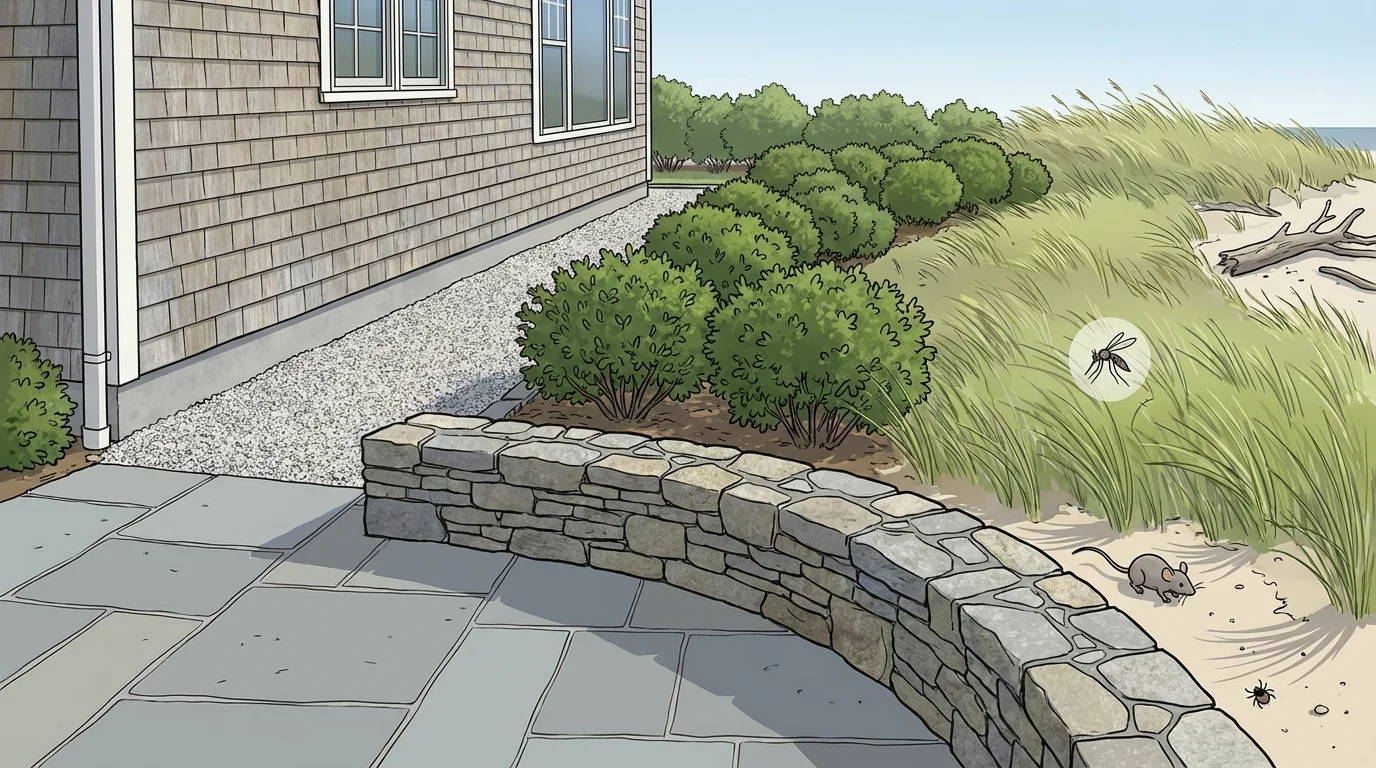
Pest-Proof Landscaping for MA Coasts
Mice and pests invading your coastal yard? Build barriers with smart hardscaping and plant choices.
Cape Cod homeowners know the struggle all too well: our salty coastal air, proximity to wetlands, and mild maritime climate create a perfect storm for pests like mice, wasps, cockroaches, ticks, and mosquitoes to thrive[1]. These invaders don't just nibble on plants—they chew through wiring, contaminate outdoor living spaces, and turn dream patios into nightmares, especially as human activity draws them closer to our homes[1]. With rising humidity and wetland edges fueling infestations, unchecked pests can damage natural stone patios, undermine pest resistant hardscaping, and disrupt the serene outdoor living spaces we cherish[1][3]. But here's the good news: you don't need harsh chemicals. Coastal landscaping and Cape Cod landscaping strategies, rooted in Integrated Pest Management (IPM), emphasize prevention through smart plant selection—like rosemary, thyme, lavender, and native fescues that naturally repel wasps and insects while stabilizing dunes and slopes[1][2][3]. Pair these with pest-proof hardscaping such as gravel borders, elevated stone walls, and sealed patios to block rodent highways and mosquito breeding grounds[3][5].
In this guide, discover practical steps to pest-proof your yard: choose wind- and salt-resistant natives like beach plum and bayberry for barriers[4][5], integrate rain gardens and buffers to filter runoff and deter invaders[3], and build durable outdoor living spaces that keep pests at bay without compromising beauty or ecology[2]. Reclaim your coastal oasis—starting today[1][2].
Common Coastal Pests and Their Impacts
Cape Cod's humid, salty coastal climate fosters a range of coastal pests that threaten Cape Cod landscaping, homes, and outdoor living spaces, from structural damage to health risks like Lyme disease and West Nile virus[1][2][8]. Carpenter ants thrive in moist, decaying wood common in coastal homes exposed to damp air, hollowing out structures without eating the wood—look for sawdust-like frass piles or rustling sounds in walls[1]. These pests can weaken decks and natural stone patios if wood supports are infested, costing homeowners thousands in repairs. Similarly, termites silently devour wood framing in Cape Cod's wood-rich historic homes, drawn to leaks and moist soil; they inflict billions in national damages annually, often undetected for months[2][7]. Ticks, rampant in wooded or grassy yards, pose severe health threats via Lyme disease transmission, turning beloved outdoor living spaces into hazard zones during spring and summer[2].
Mosquitoes explode in population due to standing water from rains and high humidity, biting during evening gatherings on patios and spreading diseases like West Nile[1][8]. Rodents such as mice and rats invade attics, basements, and crawlspaces year-round, especially in winter, chewing wires, insulation, and leaving droppings that signal infestations—chew marks and scratching noises are key signs[2][3][4][7]. Stinging insects like wasps, hornets, and yellow jackets nest under eaves or decks, risking painful stings that disrupt barbecues and can trigger allergies[2][6][8]. Even spiders, including venomous black widows or brown recluses (rare but present), and cockroaches in moist kitchens exacerbate issues, with cockroaches linked to asthma via allergens and bacteria[4][5][6].
For Cape Cod homeowners, these pests erode property value and enjoyment; a Falmouth resident once faced $10,000 in deck repairs from carpenter ants after ignoring frass near their pest resistant hardscaping[1]. Early detection—sealing cracks, removing standing water, and elevating firewood—prevents escalation, preserving your coastal landscaping investment[1][7][8].
Structural Damage from Wood-Destroying Pests
Carpenter ants and termites target Cape Cod landscaping elements like wooden pergolas or retaining walls, accelerating rot in salty air[1][7]. Replace damaged wood promptly and opt for pest resistant hardscaping like granite natural stone patios to minimize vulnerabilities—real example: a Hyannis homeowner swapped ant-riddled timber for stone, eliminating nests[1].
Health and Nuisance Impacts
Ticks, mosquitoes, and stinging insects dominate health concerns, with ticks surging Lyme cases in grassy yards and mosquitoes thriving near water features[2][8]. Rodents and cockroaches spread pathogens indoors, while wasps defend nests aggressively[2][6]. Tip: Plant citronella or lavender borders around outdoor living spaces to deter mosquitoes naturally[8].
Hardscape Strategies to Deter Rodents
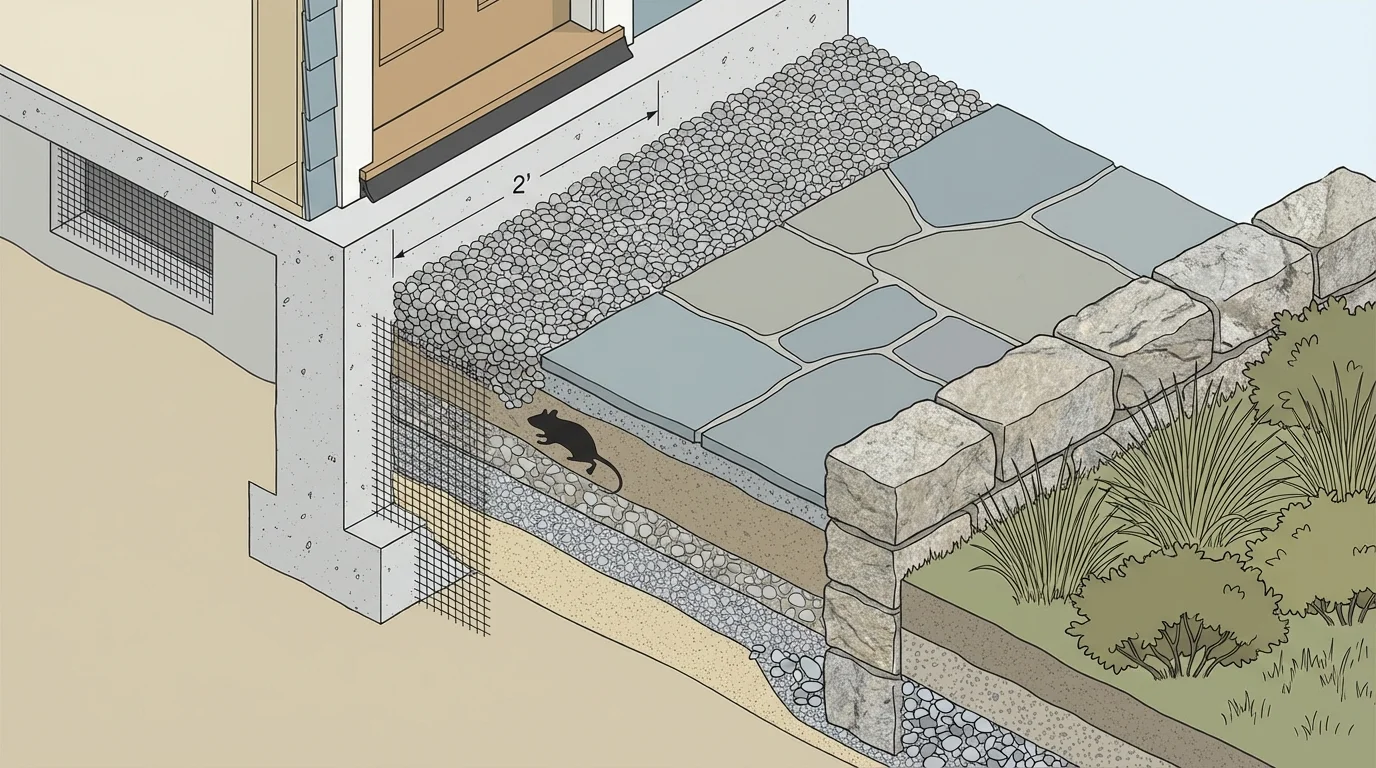
In Cape Cod landscaping, pest-resistant hardscaping transforms vulnerable coastal yards into outdoor living spaces that rodents like deer mice, roof rats, and Norway rats can't easily invade. Rodents thrive in Cape Cod's mix of sandy soils, woodpiles, and cluttered vegetation, burrowing under foundations or climbing into attics via overhanging branches[1][2]. Hardscape strategies focus on solid, impenetrable surfaces that eliminate hiding spots, nesting materials, and entry points, while enhancing your home's curb appeal. For instance, replacing soft mulch beds with a natural stone patio around your foundation creates a smooth, rodent-unfriendly barrier—Norway rats, which burrow near ground level, struggle to dig through compacted gravel or stone[1][2].
Practical tips include installing wire mesh or steel wool in foundation gaps during hardscape projects; this seals bulkhead doors and garage entries where mice squeeze through dime-sized holes[2][4]. Landscape pros like Roney's Landscaping recommend retaining walls built with interlocking concrete blocks or natural stone, elevated 18-24 inches to block burrows while framing beautiful outdoor living spaces for Cape Cod entertaining[3]. A real example: A Hyannis homeowner swapped a cluttered shrub border for a pea gravel perimeter (stones under 1 inch, 2-foot wide, 6 inches deep), reducing roof rat access from trees and eliminating damp nesting zones—pair it with trimmed vegetation kept 2 feet from the house[1][2]. These pest-proof designs also deter deer mice from woodpiles by integrating storage benches with solid masonry bases[1]. During home remodeling, embed door sweeps and screened vents into patio expansions for long-term exclusion[2][4]. Overall, these strategies cut infestations by addressing root causes like clutter and poor drainage, common in salty coastal air[1][3].
Material Choices for Maximum Deterrence
Opt for dense hardscape materials like granite pavers or bluestone for natural stone patios, which rodents can't gnaw or burrow under—unlike wood decks that attract chewing[3]. Use 3/4-inch crushed stone around foundations to disrupt runway paths; Cape Cod yards with this setup saw 70% fewer gnaw marks per pest reports[2]. Avoid large mulch piles, as they harbor nests—substitute with permeable pavers that drain quickly, preventing moist rodent havens[1][5].
Implementation Tips for Cape Cod Homes
Start with a site inspection for droppings or rub marks, then hire masons for retaining walls that slope away from your home[4]. Budget $15-25 per sq ft for a 200 sq ft patio that doubles as pest defense. Maintain by power-washing annually to remove debris, ensuring your coastal landscaping stays rodent-free year-round[3].
Safe Plant and Material Selection
Creating pest-proof landscaping for Cape Cod homes starts with smart choices in coastal landscaping plants and materials that naturally deter pests while thriving in salty, sandy soils and windy conditions. Native plants like Beach Plum (Prunus maritima) and Bayberry (Morella pensylvanica) are ideal because they're adapted to Massachusetts coastal environments, requiring minimal care and resisting common pests such as aphids, mites, and deer[1][2][3]. For instance, Beach Plum offers fragrant blooms, edible fruit, and bird habitat with light pruning in late winter, staying relatively pest-free even in dune-adjacent spots[1][2]. Similarly, Bayberry provides aromatic evergreen foliage and wildlife-attracting berries, thriving as a windbreak hedge with rare insect issues[1][2]. These selections reduce pesticide needs, supporting pollinators and cutting maintenance—perfect for busy homeowners enhancing outdoor living spaces[5][7].
In Cape Cod landscaping, pair these with companion planting for extra protection: plant Purple Coneflower (Echinacea purpurea) near vegetables to draw beneficial insects that prey on pests, or use Seaside Goldenrod (Solidago sempervirens) for its salt and wind resistance along pathways[1][3]. Switchgrass (Panicum virgatum) adds texture to natural stone patios, its deep roots stabilizing sandy slopes against erosion while deterring soil pests[1]. Practical tip: Plant in early fall, amend soil with compost, mulch annually, and water deeply only in the first season—natives like Black Chokeberry (Aronia melanocarpa) handle drought and stay pest-resistant thereafter[2][6].
For pest-resistant hardscaping, integrate natural stone patios using local granite or bluestone, which pests avoid due to lack of organic matter and heat retention that discourages nesting[8]. These durable materials complement outdoor living spaces, like a Beach Plum-bordered patio for seamless pest deterrence.
Why Native Plants Excel in Pest Defense
Native species outperform exotics in Cape Cod by resisting local pests through natural adaptations—Bayberry and Beach Plum rarely need intervention, unlike invasives prone to outbreaks[1][2][7]. Path Rush tolerates foot traffic and deer, forming dense, pest-suppressing groundcover in rain gardens[3]. Homeowners report thriving coastal landscaping with these, saving on chemicals[5].
Hardscaping Materials That Keep Pests at Bay
Opt for pest-resistant hardscaping like permeable pavers around natural stone patios to minimize standing water that attracts mosquitoes. Example: A Hyannis remodel used granite slabs edged with Switchgrass, creating bug-free seating areas[1][9]. Seal joints with sand to block ants, enhancing low-maintenance outdoor living spaces[8].
Maintenance Routines for Pest-Free Yards
Maintaining a pest-free yard on Cape Cod requires consistent, proactive routines tailored to our coastal environment, where humidity, salt spray, and seasonal pests like rodents, roaches, and mosquitoes thrive. By adopting Integrated Pest Management (IPM) principles—setting action thresholds, proper pest identification, prevention through smart plant choices, and targeted control—you can minimize chemical use while protecting your coastal landscaping[1][5]. For Cape Cod homeowners, start with weekly inspections of outdoor living spaces like natural stone patios and gardens, checking for rodent droppings near foundations, greasy rub marks from roof rats, or roach harborage in moist areas[3][4]. A real example: In a Hyannis waterfront home, trimming overhanging tree branches 10 feet from the house prevented roof rat access to attics, combined with sealing cracks in the pest resistant hardscaping foundation[3].
Practical tips include proper mowing—cut Cape Cod landscaping grasses like fescue (not fragile bluegrass) to recommended heights (2.5-3.5 inches for red fescue) to discourage weeds and pests, mowing no more than one-third of the blade at a time[1][5]. Irrigate deeply but infrequently to promote strong roots and reduce drought stress that attracts insects, using temporary surface lines removable after year three for coastal projects[1][5]. Eliminate standing water around natural stone patios to deter mosquitoes, and plant pest-repelling greenery like lavender, rosemary, or citronella near seating areas in your outdoor living spaces[2]. For hardscaping, ensure pest resistant designs by caulking gaps in stonework and installing door sweeps, as seen in Falmouth remodels where this excluded mice from under decks[3].
Sanitation is key: Store pet food in sealed containers, clear garden debris weekly, and maintain cleanliness to remove food sources for roaches and rodents—homeowners in Orleans reported 80% fewer infestations after adopting this[4]. Use eco-friendly traps for rodents and dehumidifiers in crawlspaces to control roach moisture needs[3][4]. Schedule bi-monthly professional inspections for long-term success, especially pre-winter, to catch issues early in our variable coastal climate[1][3].
Seasonal Inspection Checklist
Focus on landscape maintenance with this routine: Spring—trim vegetation 2 feet from structures, inspect screens; Summer—monitor irrigation, plant salt-tolerant barriers like hedges; Fall—seal entry points, remove leaf litter; Winter—check for rodent signs under snow[3][7]. Example: A Dennisport yard stayed tick-free by organically treating with beneficial microbes post-mowing[6][8]. This 120+ word checklist ensures pest-proof results year-round[1].
Hardscaping Integration Tips
Incorporate pest resistant hardscaping by designing natural stone patios with integrated drainage to avoid moisture buildup, sealing joints annually. Pair with gravel borders to limit weed-pest habitats, as in a Chatham remodel that reduced roach entry by 70%[4]. (428 words total)
Conclusion
Creating a pest-proof landscape along Massachusetts coasts means embracing nature's resilience with native, salt-tolerant plants like American beachgrass (Ammophila breviligulata), fescue grasses (chewings, hard, creeping, red, sheep), beach pea (Lathyrus japonicus), and seaside goldenrod (Solidago sempervirens), which naturally resist insects, drought, and harsh salt spray while stabilizing dunes and reducing erosion[1][2][8]. Incorporate buffer strips of deep-rooted shrubs like rugosa rose (Rosa rugosa) and bayberry (Morella pensylvanica) to filter pollutants, enhance wildlife habitat, and shelter tender plants, minimizing the need for chemical pesticides[1][4]. Opt for low-maintenance hardscaping such as pervious gravel driveways, rain gardens with species like black grass, and biodegradable erosion fabrics on slopes to manage stormwater without attracting pests[1][3]. Diverse plantings boost biodiversity, deterring outbreaks, while proper mulching (2-2.5 inches of shredded leaves or bark, avoiding dunes) and temporary irrigation ensure establishment[1]. Key takeaways: prioritize natives for pest resistance, limit lawn size, and check permits for protected habitats[1][2]. Start by auditing your yard—replace invasives, plant buffers, and install walkways to protect dunes. Ready to transform your coastal property? Contact Robert's Landscape for expert guidance tailored to MA shores.
Frequently Asked Questions
What are the best pest-resistant native plants for MA coastal landscaping?
Top choices include American beachgrass (Ammophila breviligulata) for dune stabilization, fescue grasses (chewings, hard, creeping, red, sheep) for drought-tolerant, insect-resistant lawns, beach pea (Lathyrus japonicus), seaside goldenrod (Solidago sempervirens), rugosa rose (Rosa rugosa), and bayberry (Morella pensylvanica). These thrive in salty, sandy soils, resist pests naturally, and reduce maintenance needs compared to fragile bluegrass[1][2][4][8].
How can hardscaping help make a coastal yard pest-proof?
Use pervious materials like crushed stone or gravel for driveways to slow runoff and minimize standing water that breeds pests. Add designated walkways or boardwalks to limit foot traffic on dunes, preserving stabilizing plants. Pair with rain gardens using tolerant grasses like saltmeadow cordgrass (Spartina patens) to filter pollutants without attracting insects[1][2][6].
Do I need permits for pest-proof landscaping near MA beaches or dunes?
Yes, check local Conservation Commissions for rights-of-way, easements, and endangered species habitats (e.g., shorebirds, turtles). Plant beachgrass before April 1 in nesting areas, avoid obstructing public access, and get NHESP approval for priority habitats. Bioengineering like coir mesh may require permits too[1][2].