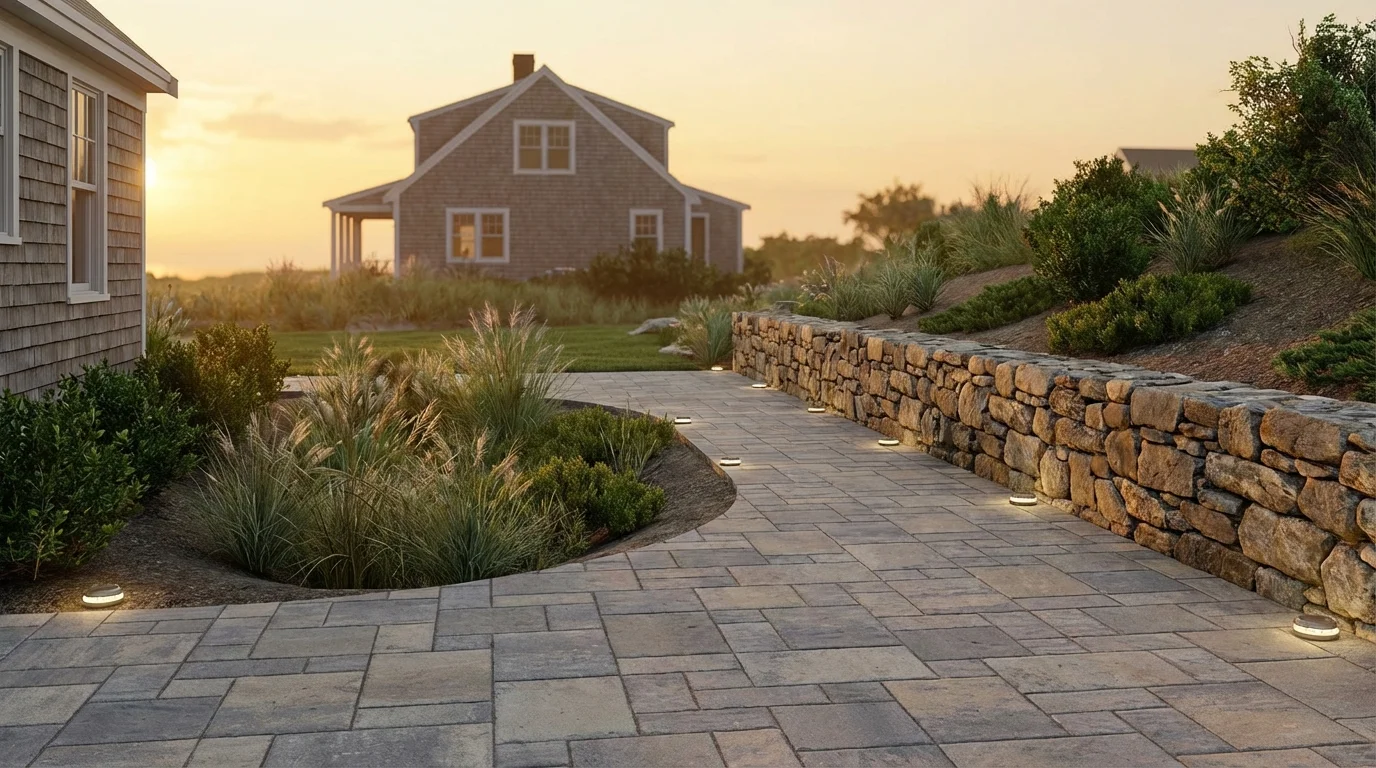
Sustainable Hardscaping Trends Cape Cod 2025
Embrace eco-friendly hardscapes that honor Cape Cod heritage while protecting coastlines. 2025 ideas for lasting beauty.
As eco-conscious coastal homeowners and managers in Cape Cod, you're no stranger to the delicate balance of our sandy shores and salty winds. Cape Cod's unique environment—with its sandy soils prone to erosion from storms, freeze-thaw cycles, and saltwater exposure—demands hardscaping that doesn't just endure but enhances resilience[1][2]. Traditional impervious surfaces exacerbate flooding and pollute precious aquifers, but rising sea levels and intense rains make sustainable solutions non-negotiable. Why does it matter? Thoughtful designs like permeable paver patios allow stormwater to infiltrate naturally, filtering contaminants, recharging groundwater, and preventing erosion while maintaining the Cape's timeless New England charm with materials like bluestone, granite, and reclaimed fieldstone[1][2]. Homeowners in Falmouth and Barnstable are already transforming properties into low-maintenance havens that blend heritage with innovation, boosting property value and coastal health[1].
In this post, discover 2025 sustainable hardscaping trends tailored for Cape Cod, including rain garden hardscapes with native plantings, multi-level terraces for outdoor living, solar-powered lighting, and modular zones in coastal tones. Learn practical tips on Massachusetts landscape trends like recycled materials and water features that create serene, adaptable spaces—perfect for extending your season with fire pits and weather-resistant kitchens[1][2][4]. Whether remodeling your seaside retreat or managing a property, these ideas deliver beauty, functionality, and eco-stewardship without compromise.
Eco-Materials for Coastal Durability
In Cape Cod hardscaping for 2025, eco-materials like permeable paver patios, reclaimed stone, and locally sourced granite deliver sustainable coastal design that withstands salt spray, freeze-thaw cycles, and erosion while minimizing environmental impact.[1][2] These choices align with Massachusetts landscape trends, reducing carbon footprints through recycled content and local sourcing, ideal for eco-conscious coastal homeowners seeking durable, low-maintenance outdoor spaces.[1][2] For instance, a Falmouth homeowner transformed their sloped yard into a multi-level permeable paver patio using recycled granite curbing, which filters stormwater and prevents runoff into Cape Cod's fragile aquifers during heavy rains.[2] Practical tip: Pair permeable pavers with proper edge restraints and polymeric sand joints to ensure stability on sandy soils, sloping surfaces 1-2% away from foundations for optimal drainage.[1][2]
Reclaimed stone and recycled concrete are stars in sustainable coastal design, repurposing demolition waste into patios, retaining walls, and steps that blend with Cape Cod's historic charm.[1][2] New England fieldstone or Vermont granite, sourced locally within 100 miles, cuts transport emissions by up to 50% compared to imported materials, while their frost-resistant properties handle winter heaves without cracking.[1] In coastal towns like Plymouth, these materials resist salt corrosion, extending lifespan by decades—think dry-stack walls that stabilize eroding bluffs without mortar.[1][2] Homeowners can source reclaimed granite from Massachusetts quarries or urban salvage yards; install with gravel base layers for breathability, avoiding chemical deicers in favor of calcium magnesium acetate.[1]
Integrating rain garden hardscapes amplifies sustainability, channeling runoff from pavers into native-planted depressions that filter pollutants and boost biodiversity.[2] A Barnstable project combined permeable bluestone paths with a rain garden featuring beach grass and bayberry, reducing flooding by 100% and supporting local pollinators.[2]
Practical Installation Tips for Cape Cod
Start with soil testing for drainage—Cape Cod's sandy base suits permeable systems but needs geotextile fabric under pavers to prevent clogging.[2] Budget $15-25 per sq ft for eco-materials; expect 20-30 year durability with annual sweeping to maintain infiltration rates.[1][2] Consult local pros for permits, as Massachusetts incentivizes green infrastructure via rebates.[1]
Real Cape Cod Examples
Outerland's 2025 designs in Hyannis feature thin veneer brick from recycled sources for fire pits, offering stone-like aesthetics with 40% less weight and embodied carbon.[3][6] These eco-swaps prove Cape Cod hardscaping can be stylish, resilient, and planet-friendly.[2]
Rain Gardens and Permeable Paths
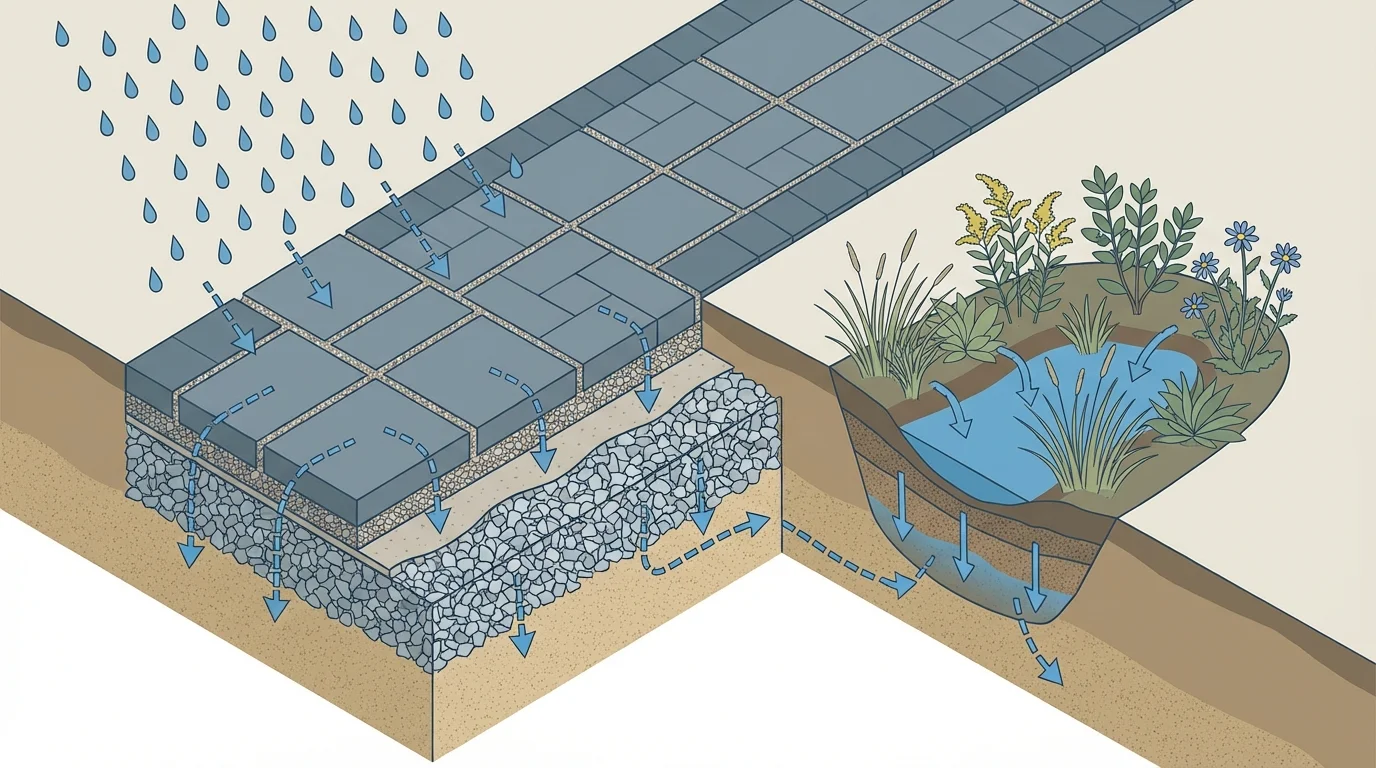
In 2025, Cape Cod hardscaping embraces rain gardens and permeable paths as cornerstone elements of sustainable coastal design, tackling erosion, stormwater runoff, and aquifer protection in sandy coastal soils.[1][3] These features allow rainwater to infiltrate naturally, filtering pollutants before they reach Cape Cod's sensitive waterways while creating beautiful, low-maintenance landscapes that enhance property value and resilience against storms.[1] For eco-conscious homeowners in Falmouth or Barnstable, integrating a rain garden—a shallow, planted depression that captures runoff—pairs seamlessly with permeable paver patios made from specialized pavers that permit water percolation, reducing flooding during heavy summer downpours.[1][3]
Picture a typical Cape Cod property: sandy soils prone to erosion meet permeable paver patios laid in a herringbone pattern using recycled-content pavers that mimic natural stone like bluestone or granite, enduring salt spray and freeze-thaw cycles.[1][3] One Falmouth homeowner shared how their permeable path leading to a rain garden not only prevented puddles but recharged groundwater, supporting native plants like beach plum and bayberry that thrive in filtered moisture.[1][3] Practical tips include selecting Cape Cod native plantings such as switchgrass for rain gardens to handle salt tolerance and require minimal watering once established.[3] Design the garden 6-12 inches deep with a sandy loam mix amended organically for optimal drainage, ensuring it slopes gently toward the feature from surrounding hardscapes.[3]
For Massachusetts landscape trends, combine these with fieldstone edging to define zones, creating a permeable paver patio for outdoor dining that doubles as a rain capture system.[1][3] Costs average $15-25 per square foot for permeable pavers, with ROI from erosion control and compliance with local wetland regs.[1] Maintenance is simple: inspect pavers annually for sediment and refresh mulch in rain gardens seasonally. This duo transforms utilitarian spaces into eco-havens, blending New England charm with forward-thinking sustainability.[1][3]
Designing Your Rain Garden
Start site assessment: Choose low spots near downspouts or patios where runoff converges, avoiding wetlands per Cape Cod regs.[3] Layer gravel base under soil mix for infiltration rates up to 5 inches per hour, planting densely with natives like bayberry for pollutant filtration and erosion prevention.[1][3] A 200 sq ft rain garden can manage 1,000 sq ft of roof runoff—ideal for coastal homes. Add crushed clam shells mulch for that authentic Cape crunch and enhanced drainage.[3]
Permeable Paths in Action
Opt for permeable pavers in coastal-tough grays or beiges to harmonize with sandy landscapes.[1] Install over 4-6 inches of open-graded aggregate for stability on shifting soils; a 50-ft path might cost $2,000 but slashes flood risk.[1][3] Example: Barnstable installs feature modular pavers around fire pits, allowing water to nourish adjacent rain garden hardscapes while defining walkways.[1] Pair with solar lighting for dark-sky compliance.[1][3]
Solar Lighting and Water Features
In 2025, solar lighting and water features are leading sustainable hardscaping trends on Cape Cod, blending eco-friendly technology with coastal charm to create low-maintenance, energy-efficient outdoor spaces for eco-conscious coastal homeowners. These elements address Cape Cod hardscaping challenges like salt spray, sandy soils, and erosion while enhancing ambiance and supporting sustainable coastal design.[1][3] Solar lighting has advanced significantly, with fixtures that store energy even on gray winter days, providing reliable illumination without wiring or grid reliance—ideal for Massachusetts landscape trends emphasizing dark-sky compliance to reduce light pollution.[1][3] Pair these with permeable paver patios for pathways that allow rainwater infiltration, recharging local aquifers vital to Cape Cod's drinking water supply.[1]
Water features, such as bubbling stone fountains or integrated rain garden hardscapes, add sensory tranquility while managing stormwater runoff.[1][3] A Falmouth homeowner integrated a sculptural stone water element with native beach plum borders, creating a calming focal point that filters contaminants and prevents erosion during storms.[1] Practical tip: Use local fieldstone or reclaimed granite for durability against freeze-thaw cycles; position features near permeable paver patios to capture runoff naturally.[1][3] For solar lighting, opt for fixtures mimicking natural coastal tones like weathered grays, blending seamlessly with bluestone or granite hardscapes.[1] Combine with rain garden hardscapes planted in switchgrass and bayberry for low-water, salt-tolerant beauty that thrives in sandy soils.[3]
These trends promote sustainable coastal design by minimizing energy use and supporting biodiversity. A Barnstable project featured solar-powered path lights along a permeable paver patio leading to a tiered rain garden water feature, extending outdoor enjoyment into evenings while filtering summer downpours.[1] Homeowners save on electricity bills—up to 100% for lighting—and boost property ROI through resilient, low-maintenance designs compliant with coastal regulations.[1][3]
Integrating Solar Lighting
Solar lights elevate Cape Cod hardscaping with app-controlled options for dimming and zoning, perfect for multi-level patios defining dining and lounging areas.[1] Install along fieldstone retaining walls to highlight erosion control while providing safe navigation in foggy mornings; choose models with motion sensors for efficiency.[1][3] Real example: A South Shore deck used Timbertech composites with embedded solar strips, standing up to saltwater while creating a modern glow.[2]
Designing Water Features
Craft rain garden hardscapes with native plants around gentle cascades using crushed clam shells for permeable bases that drain beautifully.[1][3] Tip: Shelter from prevailing winds with low fieldstone walls; recirculating pumps powered by solar panels ensure zero energy draw. In one Outer Cape project, a granite boulder fountain integrated into a permeable paver patio captured roof runoff, fostering a micro-ecosystem that attracts pollinators.[1]
Balancing Hardscape with Natives
In Cape Cod hardscaping for 2025, eco-conscious coastal homeowners are mastering the art of blending durable sustainable coastal design elements with native plants to create resilient, low-maintenance landscapes that honor Massachusetts' fragile ecosystems.[1][2] This balance addresses Cape Cod’s sandy soils, salt spray, and erosion while enhancing biodiversity and stormwater management. Imagine a permeable paver patio in Falmouth, edged with beach plum and bayberry borders—the pavers allow rainwater to infiltrate, feeding deep-rooted natives that stabilize soil during storms.[1][2] Professionals recommend fieldstone walls as retaining features, topped with switchgrass for a natural microclimate that thrives in coastal winds.[2] Practical tip: Start with a site assessment to map drainage patterns, then integrate rain garden hardscapes where runoff collects in depressions lined with permeable gravel and planted with bayberry, filtering pollutants before recharging the aquifer.[1] A Barnstable homeowner shared how this setup cut watering needs by 50% post-establishment, proving Massachusetts landscape trends favor natives for their salt tolerance and minimal fertilizer demands.[1][2] Recycled granite curbing as steps, paired with native borders, adds timeless New England charm without environmental harm.[1] For best results, use modular designs allowing natives to "soften" hard edges—think crushed clam shell paths winding through beach grass, glowing under solar lights.[1][2] This approach not only boosts property value through ROI-friendly sustainability but also complies with local wetland regs, making your coastal haven both beautiful and planet-friendly.[2]
Practical Integration Tips
Incorporate native plants like beach plum around permeable paver patios by installing 12-18 inch gravel trenches for root expansion, ensuring pavers handle freeze-thaw cycles while plants prevent weed invasion.[1][2] For rain garden hardscapes, layer permeable pavers over amended sandy soil with natives such as switchgrass; direct downspouts here to capture 90% of runoff, as seen in Hyannis projects.[1] Pro tip: Phase installations—add hardscape first, then natives in fall for root establishment before winter storms.[2]
Real Cape Cod Examples
A Salcorp project in Barnstable featured a multi-level permeable paver patio with fieldstone retaining walls planted in bayberry, creating zoned outdoor living that withstood 2024's nor'easters while filtering stormwater naturally.[1] Similarly, Falmouth terraces with granite steps and beach grass borders exemplify sustainable coastal design, blending hardscape permanence with native vibrancy for year-round appeal.[1][2]
Conclusion
In 2025, sustainable hardscaping trends on Cape Cod are redefining coastal outdoor living by blending New England charm with eco-conscious innovation. Key takeaways include embracing permeable pavers that reduce stormwater runoff by up to 100%, combat erosion in sandy soils, and recharge vital aquifers while filtering contaminants[1][2]. Native plants like beach plum and bayberry, paired with recycled materials such as reclaimed granite and crushed clam shells, minimize maintenance and water use in our salt-sprayed, freeze-thaw environment[1][2]. Multi-level designs create flexible outdoor living zones—from fire pits and outdoor kitchens to solar-powered lighting and natural stone focal points in coastal tones of weathered grays and sea glass blues—extending usability year-round[1]. These trends not only boost property value and ROI but also protect fragile ecosystems against storms and rising seas[1].
To bring these trends home, start with a site assessment for erosion risks and material compatibility, then prioritize phased installations for budget-friendly results[2]. Ready to transform your Cape Cod landscape? Contact Robert's Landscape for expert guidance tailored to coastal challenges.[1][2]
Frequently Asked Questions
What are the top sustainable hardscaping materials for Cape Cod in 2025?
For Cape Cod's coastal conditions, prioritize permeable pavers, bluestone, granite, fieldstone, and recycled elements like reclaimed granite curbing or crushed clam shells. These withstand salt spray, freeze-thaw cycles, and erosion while reducing runoff by up to 100% and supporting aquifer recharge. They blend with local architecture for timeless appeal and low maintenance[1][2].
How do permeable pavers benefit Cape Cod properties during storms?
Permeable pavers allow water to infiltrate rather than pool or run off, minimizing flooding, filtering pollutants before they reach waterways, and preventing erosion on sandy soils. In Cape Cod's intense storms, they recharge groundwater—crucial for drinking water supplies—and integrate seamlessly with rain gardens and native plantings for enhanced sustainability[1][2].
Can I incorporate technology into sustainable Cape Cod hardscaping?
Yes, integrate solar-powered lighting, app-controlled systems, and subtle outdoor speakers or heating elements that blend with stonework. These extend usability into cooler evenings without high energy use, complementing dark-sky compliant designs that reduce light pollution while pairing with native borders and modular zones for flexible, eco-friendly outdoor living[1][2].
References
- Source from salcorplandscaping.com
- Source from salcorplandscaping.com
- Source from www.outerland.co
- Source from greenleaveslandscape.com
- Source from www.jameshardie.com
- Source from info.capecodbuilder.com
- Source from blog.irentcapecod.com
- Source from guthrieschofieldgroup.com
- Source from www.millersprolandscape.com
- Source from lassanas.com