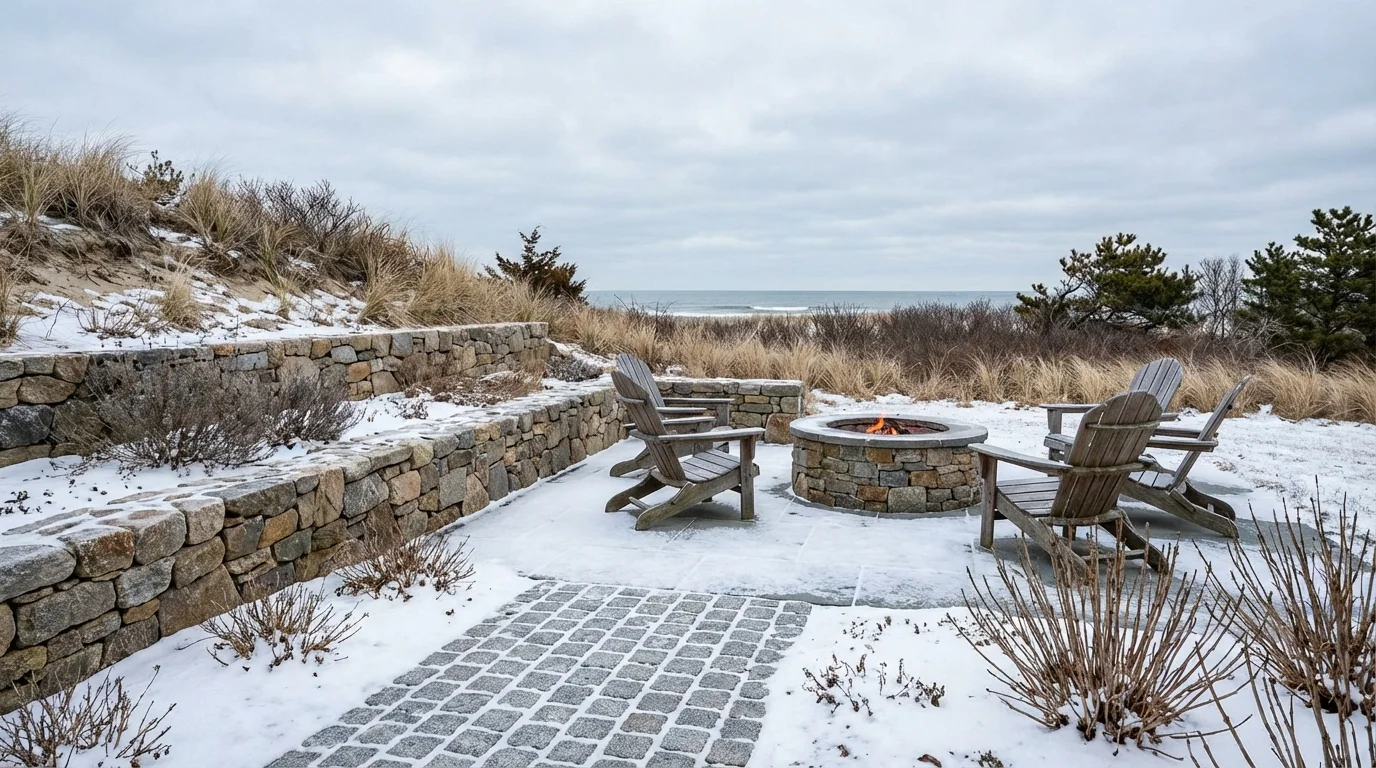
Winter-Proof Hardscaping for Cape Cod
Don't let snow bury your outdoor dreams—design hardscapes that shine through New England's brutal winters.
As a Boston-area homeowner prepping for Cape Cod's relentless freeze-thaw cycles, you know the drill: salty coastal winds, shifting sandy soils, and punishing snowplows that turn patios into rubble and walkways into hazards[1][4]. Poorly built Cape Cod winter hardscaping crumbles under these forces—retaining walls erode, paver patios heave and crack, leaving your coastal retreat looking battered by spring[1]. It matters because these features aren't just aesthetic; they're investments boosting home value through enhanced curb appeal and functionality, like erosion control during storms and stormwater management that protects your foundation[1][3]. Skip the headaches of costly repairs—properly engineered designs using Massachusetts freeze-proof materials like durable bluestone, granite, fieldstone, or permeable pavers ensure longevity, even against plow scrapes and ice buildup[1][4].
In this guide, you'll discover practical strategies for coastal retaining walls winter resilience with tiered fieldstone systems that stabilize slopes[1]; paver patio snow prep via compacted gravel sub-bases (6-12 inches deep) and reinforced concrete for wet-laid installs[1]; and fire pit winter design ideas, like curved bluestone surrounds that invite gatherings amid the chill[4]. Learn material picks that resist salt spray, installation tips for DIY-friendly walkways with crushed clamshell or Nantucket pavers, and pro secrets for a backyard that thrives year-round[1][3]. Transform winter woes into enduring beauty—your Cape Cod oasis awaits.
Material Choices for Freeze-Thaw Resilience
Cape Cod's brutal winters demand Cape Cod winter hardscaping materials that withstand 50-100 annual freeze-thaw cycles, where water infiltrates cracks, expands by up to 9% when frozen, and causes heaving or cracking in lesser options[1][2]. For Boston-area homeowners prepping Massachusetts freeze proof patios, prioritize natural stone like granite, bluestone, and fieldstone, which offer 50+ years of durability against salt spray, heavy snow loads (20+ lbs per sq ft), and erosion on sandy coastal soils[1][2][5]. These dense stones resist water penetration when properly sealed every 3-5 years, preventing the spalling common in porous materials[2]. A Barnstable homeowner raved, “Last winter was brutal, but our bluestone patio didn’t budge an inch,” thanks to expert installation accounting for coastal challenges[1].
Porcelain pavers shine as frost-proof modern heroes, lasting 30+ years with non-porous density that blocks moisture entirely, plus UV stability and slip resistance for wet, snowy paver patio snow prep[2]. They're ideal for fire pit winter design, where heat and freeze cycles meet—pair with a granite surround for classic New England charm. Brick and clay pavers provide 25-100 years of longevity, fired to handle expansion forces without degrading under road salt, outperforming concrete in salt-heavy areas[2]. For budget-friendly coastal retaining walls winter stability, concrete pavers or modular blocks excel if sealed against chlorides, stabilizing erosion-prone slopes during storms[2][5]. Avoid untreated limestone or hollow blocks, as they crack under snow loads[2].
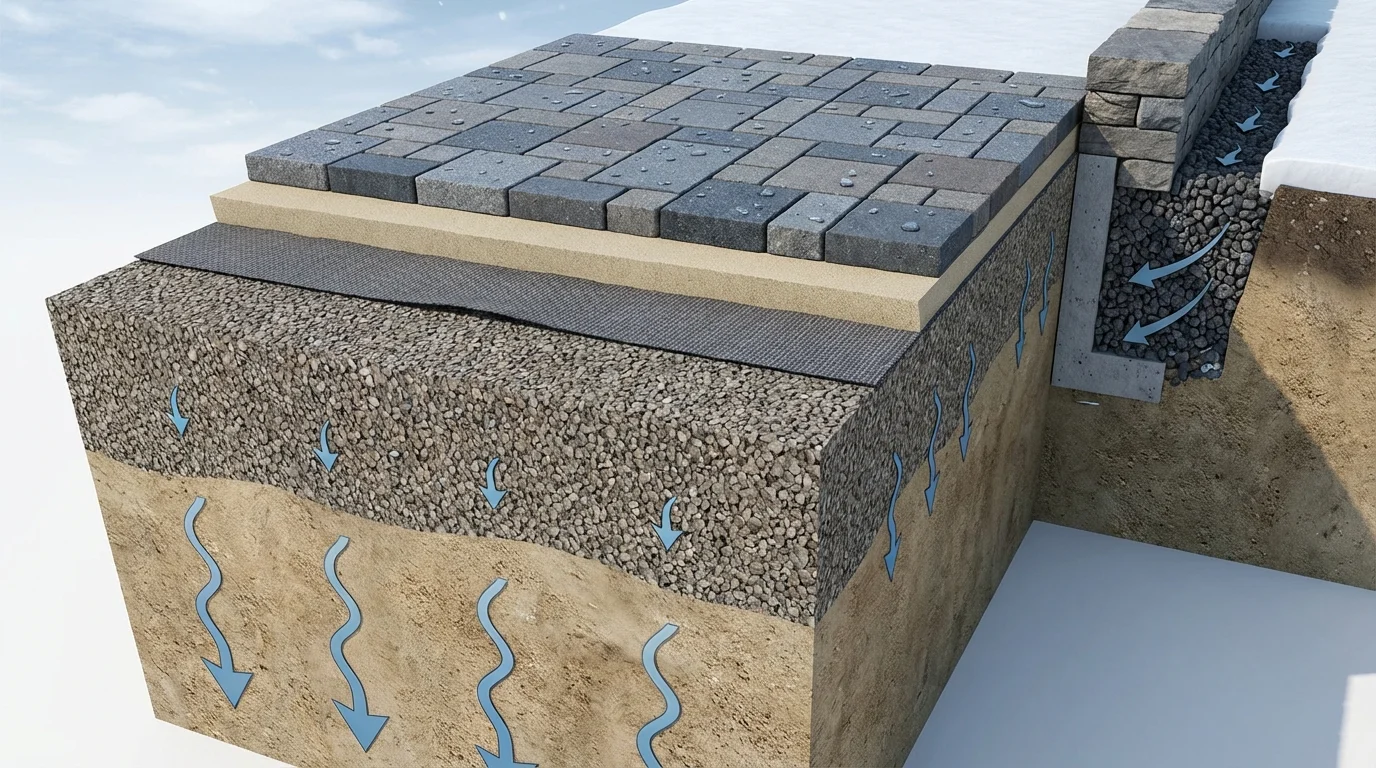
Practical tip: Install with 4-6 inches of compacted gravel base for drainage, essential in Cape Cod's high water table—permeable options like decomposed granite prevent ice buildup while allowing infiltration[1][2]. A Falmouth project used fieldstone retaining walls to combat erosion, transforming a sloped yard into a terraced oasis that held firm through nor'easters[1].
Top Picks for Patios and Fire Pits
For paver patio snow prep and fire pit winter design, porcelain pavers and bluestone top the list at $15-30/sq ft, offering low-maintenance beauty that ages gracefully[2]. Use plastic shovels for snow removal to avoid scratches, and apply sand for traction over salt[2]. Real example: A Plymouth granite fire pit withstood 2024's record snows, becoming a cozy winter gathering spot[1].
Retaining Walls and Driveways
Coastal retaining walls winter thrive with granite or cobble edging, resisting freeze-thaw and salt for indefinite life[1][7]. Crushed stone driveways ($3-12/sq ft) handle loads without heaving[2]. Seal annually and ensure proper grading for runoff[2].
Space-Saving Designs for Coastal Lots
Cape Cod's narrow, sloped coastal lots demand space-saving hardscaping that maximizes usability while withstanding Massachusetts freeze-thaw cycles and winter storms. For Boston-area homeowners prepping for harsh New England winters, innovative designs like tiered retaining walls, compact paver patios, and modular fire pits create functional outdoor zones without sprawling footprints[1][2]. These elements not only combat sandy soil erosion but also enhance property value, turning tight spaces into winter-resilient retreats[1][2].
Imagine a Falmouth lot where a coastal retaining wall of natural fieldstone terraces a steep backyard into three intimate levels: a lower paver patio snow prep area for seating, a middle herb garden, and an upper lounge with a fire pit winter design. This setup, using Belgard permeable pavers like SUBTERRA for superior drainage, prevents water pooling that leads to frost heave[1][2]. Proper installation is key—excavate to 6-12 inches for a compacted gravel sub-base, ensuring stability against Cape Cod winter hardscaping challenges like salt spray and plow damage[1]. A Yarmouth homeowner raved about their granite apron enduring "three winters of snowplow scrapes without a mark," proving these materials' toughness[1].
Practical tips include opting for crushed clamshell paths along lot edges for low-maintenance drainage and a classic crunch under snow boots. Pair with Nantucket pavers in hexagon or cobblestone styles for a freeze-proof patio that fits snugly against the house, freeing yard space[2]. Modular fire pits in gas or wood-burning variants extend usability into chilly evenings, surrounded by movable stone benches for reconfiguration[1]. For erosion-prone slopes, tiered wall systems reduce visual bulk while allowing planting pockets for winter-interest shrubs[1][3].
Compact Patios and Paths for Snow Prep
Paver patio snow prep shines on small lots with permeable pavers like DRAINSTONE or TURFSTONE, which filter rainwater to minimize ice buildup[2]. A real example: a Barnstable patio on a poured concrete sub-base "didn’t budge an inch" last brutal winter, thanks to reinforced foundations[1]. Install walkways with bluestone or flagstone for traction, edging them to contain snowmelt and protect foundations[1][2].
Resilient Retaining Walls and Fire Features
Coastal retaining walls winter using dry-stacked interlocking pavers or fieldstone stabilize sandy soils without deep excavation, ideal for tight lots[1][2]. Integrate a central fire pit winter design—a custom stone model just 5 feet wide—for cozy gatherings, its elevation preventing water damage[1]. These Cape Cod hardscaping staples boost ROI while prepping for freeze-thaw resilience[1][2].
Low-Maintenance Upkeep in Winter
Cape Cod homeowners can keep their winter-proof hardscaping thriving with simple, low-effort strategies that combat freeze-thaw cycles, salt air, and heavy snow common in coastal Massachusetts. Focus on Cape Cod winter hardscaping prep like sealing Massachusetts freeze-proof patios, protecting coastal retaining walls winter durability, readying paver patio snow prep, and designing resilient fire pit winter design features to minimize ongoing work.[1][5] For instance, in Barnstable homes, applying penetrating sealers to concrete or natural stone paver patios before the first freeze prevents water absorption that leads to cracking— a quick one-day job that lasts all season.[1] Similarly, coastal retaining walls made from freeze-resistant granite or modular blocks withstand nor'easters when backfilled with gravel for drainage; just inspect joints annually for erosion.[5]
Practical tips start with fall sealing: Use silane-siloxane sealers on paver patios to repel salt spray and moisture, reducing efflorescence stains by up to 80%.[1] Clear debris from fire pits and cover with breathable tarps to avoid trapped moisture, ensuring safe winter use for gatherings—think a preheated pit with propane conversion for wind-resistant flames.[2] For Massachusetts freeze-proof patios, elevate furniture on blocks and use snow-melt socks filled with calcium chloride instead of rock salt, which corrodes stone.[1][2] Paver patio snow prep involves plowing with plastic blades to avoid gouging, followed by light sweeping rather than scraping. These steps cut spring repairs by preventing ice jacking, where expanding ice lifts pavers out of place.[5]
Low-maintenance shines in routine checks: Monthly walks to brush off snow from coastal retaining walls prevent overload, especially on sloped Hyannis properties battered by winds.[1] Integrate self-draining designs from the start, like permeable pavers that channel meltwater away, slashing ice buildup.[2] Homeowners in Chatham report saving hundreds yearly by skipping pros for these tasks, focusing instead on snow & ice management pros only for driveways.[2] Overall, proactive sealing and smart snow handling make Cape Cod winter hardscaping a hands-off affair, preserving your investment through brutal New England winters.[1][5]
Sealing and Protection Strategies
Seal Massachusetts freeze-proof patios and paver patios in late fall with breathable products like Super Seal 25, applied via low-pressure sprayer—dry in 24 hours, effective against Cape Cod's salty fog.[1][5] Wrap fire pit winter design metal rings in burlap or use insulated covers to fend off rust. For coastal retaining walls winter, add weep holes if absent and top-dress with pine needles for natural insulation, mimicking local pros' techniques.[1]
Snow Removal Best Practices
Opt for paver patio snow prep with push plows and magnesium chloride de-icers to protect surfaces—avoid shovels on interlocking pavers.[2] Schedule snow & ice management for heavy storms, but DIY light snowfalls with brooms. In Sandwich, this keeps Cape Cod winter hardscaping pristine without daily labor.[2][5]
Multi-Season Use: Patios to Fire Pits
Transform your Cape Cod winter hardscaping into a year-round oasis by designing Massachusetts freeze-proof patios and fire pit winter designs that withstand freeze-thaw cycles while inviting cozy gatherings even in snow. For Boston-area homeowners prepping for harsh New England winters, the key is selecting durable materials like bluestone, granite, or permeable pavers (e.g., Belgard SUBTERRA or DRAINSTONE) that handle salt exposure, erosion, and heavy snow loads.[1][2] These paver patio snow prep strategies ensure your outdoor spaces remain functional from summer barbecues to winter s'mores sessions.
Start with a paver patio built on a compacted 6–12 inch gravel sub-base to prevent shifting during Cape Cod’s sandy soils freeze-thaw action. A Barnstable homeowner shared, “Last winter was brutal, but our bluestone patio didn’t budge an inch,” thanks to proper excavation and reinforced concrete under wet-laid installations.[1] Pair it with coastal retaining walls winter-ready designs using natural fieldstone or interlocking pavers for tiered systems that stabilize slopes and create multi-level zones for lounging.[1][2] For paver patio snow prep, opt for permeable options like TURFSTONE pavers, which allow water drainage to avoid ice buildup, and seal joints annually with polymeric sand to block weeds and moisture.[2]
Elevate usability with a custom stone fire pit as the focal point. Fire pit winter design shines here—gas models offer instant warmth without smoke, ideal for Cape Cod's windy coasts, while wood-burning pits deliver crackling ambiance.[1] A Yarmouth resident raved about their granite apron enduring snowplow scrapes, proving these features boost home value and enjoyment.[1] Practical tip: Surround the fire pit with crushed clamshell edging for drainage and that classic crunch, then add modular benches for flexibility. In Falmouth projects, tiered retaining walls frame these setups, turning patios into sheltered nooks protected from nor'easters.[1]
Freeze-Proof Installation Tips
Proper Cape Cod winter hardscaping demands expert techniques: Excavate deeply, compact sub-bases in layers, and use frost-resistant materials to combat expansion from frozen soils.[1] For Massachusetts freeze-proof patios, choose Nantucket pavers or hexagon blocks in bluestone hues for stability under snow removal tools.[2] Test drainage by simulating heavy rain—permeable pavers like DRAINSTONE filter water back into the soil, preventing puddles that refreeze.[2] Local pros recommend winterizing by clearing leaves and applying sealants pre-freeze, ensuring your fire pit winter design and coastal retaining walls winter setups last decades without cracks.[1]
Real Cape Cod Examples
In Yarmouth, a granite-paver driveway apron and fieldstone retaining walls flanked a bluestone paver patio with a central gas fire pit, surviving three winters unscathed.[1] Barnstable's tiered coastal retaining walls winter design supported a permeable patio, maintaining usability for snow-shoeing gatherings.[1][2] These boost curb appeal and ROI, perfect for Bostonians eyeing Cape escapes.[2]
Conclusion
Winter-proof hardscaping is essential for Cape Cod homes, transforming coastal challenges like freeze-thaw cycles, saltwater exposure, and erosion into opportunities for enduring beauty and functionality. Key takeaways include selecting durable materials such as bluestone, granite, fieldstone, and permeable pavers like Belgard SUBTERRA or DRAINSTONE, which handle harsh winters while managing stormwater and stabilizing sandy soils[1][2][3]. Prioritize professional installation with deep excavation, compacted gravel sub-bases (6–12 inches), and proper drainage to prevent cracking or heaving—proven to withstand snowplows and brutal seasons, as shared by Barnstable and Yarmouth homeowners[1]. Features like retaining walls, crushed clamshell paths, and tiered stone systems not only boost curb appeal and home value but also create authentic New England charm year-round[1][2][3].
Ready to safeguard your property? Schedule a consultation with a local Cape Cod hardscaping expert today for a custom site assessment. Invest now in longevity and enjoy a stunning, low-maintenance outdoor space through every winter storm—your home deserves it.[1][2]
Frequently Asked Questions
What materials are best for winter-proof hardscaping on Cape Cod?
Opt for bluestone, granite, fieldstone, and permeable pavers like Belgard DRAINSTONE or TURFSTONE, which resist freeze-thaw cycles, salt spray, and erosion while allowing rainwater infiltration. Crushed clamshell paths offer casual drainage, and natural stone blends with Cape Cod's coastal aesthetic for lasting durability without frequent maintenance[1][2][3].
How do you prepare hardscaping foundations to survive Cape Cod winters?
Start with proper excavation to accommodate a 6–12 inch compacted sub-base of processed gravel, layered and tamped for stability. Use reinforced concrete for wet-laid patios or meticulous compaction for dry-laid pavers, ensuring excellent drainage to combat heaving from freeze-thaw cycles—essential for decades of performance[1].
Can hardscaping increase my Cape Cod home's value in winter?
Yes, projects like retaining walls, driveways, walkways, and patios enhance curb appeal, control erosion, and reduce maintenance, making a strong first impression for buyers. Popular options such as Nantucket pavers or flagstone add function and beauty, boosting resale value in a competitive market[1][2].
References
- Source from salcorplandscaping.com
- Source from www.outerland.co
- Source from jjmaterials.com
- Source from thepatiocompanyma.com
- Source from www.whittenlandscaping.com
- Source from capecodlife.com
- Source from apcc.org
- Source from www.iscapeit.com
- Source from bostonlandscapeco.com
- Source from mackenziebrothers.com